For Students
What you can do now, while waiting for the curriculum to catch up.
A direct, kind guide for students who want to develop compassion as a clinical skill, even if their program does not yet teach it.
Start here, this week
The cognitive reframe
Today"I feel your pain" to "I care about your pain and want to help." This single shift protects you while keeping you connected.
The 30-Second Reset
Between encountersBefore entering each patient room: one breath, release the last encounter, arrive fresh. The simplest practice with the highest yield.
The Self-Compassion Break
Once daily for two weeksWhen you notice suffering in yourself: "This is a moment of suffering. Suffering is part of being human. May I be kind to myself."
Build your foundation: 8 weeks
A sequenced practice plan for your first 8 weeks of self-directed work. This roughly maps to the Foundation Phase of the full curriculum.
The Empathy-Compassion Distinction
Notice when you slip into empathic distress. Practice the cognitive reframe 5 times per day.
Self-Compassion Foundation
Daily Self-Compassion Break. Journal on what you notice.
Loving-Kindness Entry
Begin with 5 minutes of LKM daily. Start with yourself, then extend to a patient.
Presence Practice
The 30-Second Reset before every clinical encounter. The 40-second presence challenge.
What to ask of your program
These questions can be asked of curriculum committees, deans, and faculty. They are not complaints. They are the questions that programs committed to compassion should be able to answer.
- 1Does our program teach the empathy-compassion distinction explicitly?
- 2Is compassion an assessed competency in our curriculum?
- 3What validated instruments do we use to track empathy and compassion across the program?
- 4What faculty development is in place for the faculty teaching us?
- 5How do we address the empathy decline that the literature documents in our type of program?
What to look for in clinical placements
Markers of compassionate clinical environments:
Faculty who model self-compassion openly
Do your preceptors talk about their own struggles with compassion fatigue? Do they practice what they teach?
Compassion rounds or equivalent forums
Are there protected spaces for clinicians to process the emotional weight of care? (Schwartz Rounds is a licensed program from The Schwartz Center with the strongest evidence base.)
Realistic productivity expectations
Does the schedule allow for human connection, or is every minute accounted for?
Clear escalation pathways
When something feels wrong, do you know who to talk to? Will they listen?
Visible attention to staff wellbeing
Are break rooms functional? Are schedules predictable? Is there support when things go wrong?
When the system is the problem
Sometimes you will find yourself in training environments that systematically undermine compassion. This is not your fault. It is not a reflection of your commitment or your potential.
What you can do: recognize it, find allies (they exist in every system), protect your own practice, and plan for environments that will support your development. You are not required to fix broken systems as a student. You are only required to survive them without losing yourself.
If you are experiencing moral distress in your training, the For Clinicians section on Occupational Distress Syndrome may help you name what you are experiencing.
Further Reading
Understanding the science behind sustainable caring.
Compassionate Humor at the Bedside: When Lightness Heals and When It Harms
Humor is a clinical variable with measurable physiological effects. Whether it heals or harms depends on the same motivational architecture that separates compassion from empathic distress.
Teaching Compassion: From Knowing to Becoming
New behavior-change research helps explain why information alone fails to produce compassionate practitioners, and what educators can do about it.
Compassion Is Not What You Think It Is
You were trained in empathy and told it was compassion. The neuroscience says they are different, and the difference is what is depleting you.
Self-Compassion Is Not Self-Indulgence
The research is clear: being kind to yourself makes you more effective, not less.
Watch and Learn
Short talks on empathy, self-compassion, and what the research shows.

Brené Brown on Empathy
Brené Brown, PhD
Empathy fuels connection. Sympathy drives disconnection. Look closely at Brown's description, and what she calls empathy turns out to be a hybrid construct that maps onto several distinct components in the contemporary cognitive science literature: cognitive empathy (Wiseman's perspective taking and recognizing emotion in others), a regulatory stance (staying out of judgment), affective resonance (feeling with people), and compassionate intention (the choice to climb down into the hole, the refusal of the silver lining, the intention to lessen suffering and the willingness to say 'I don't even know what to say. I'm just so glad you told me').
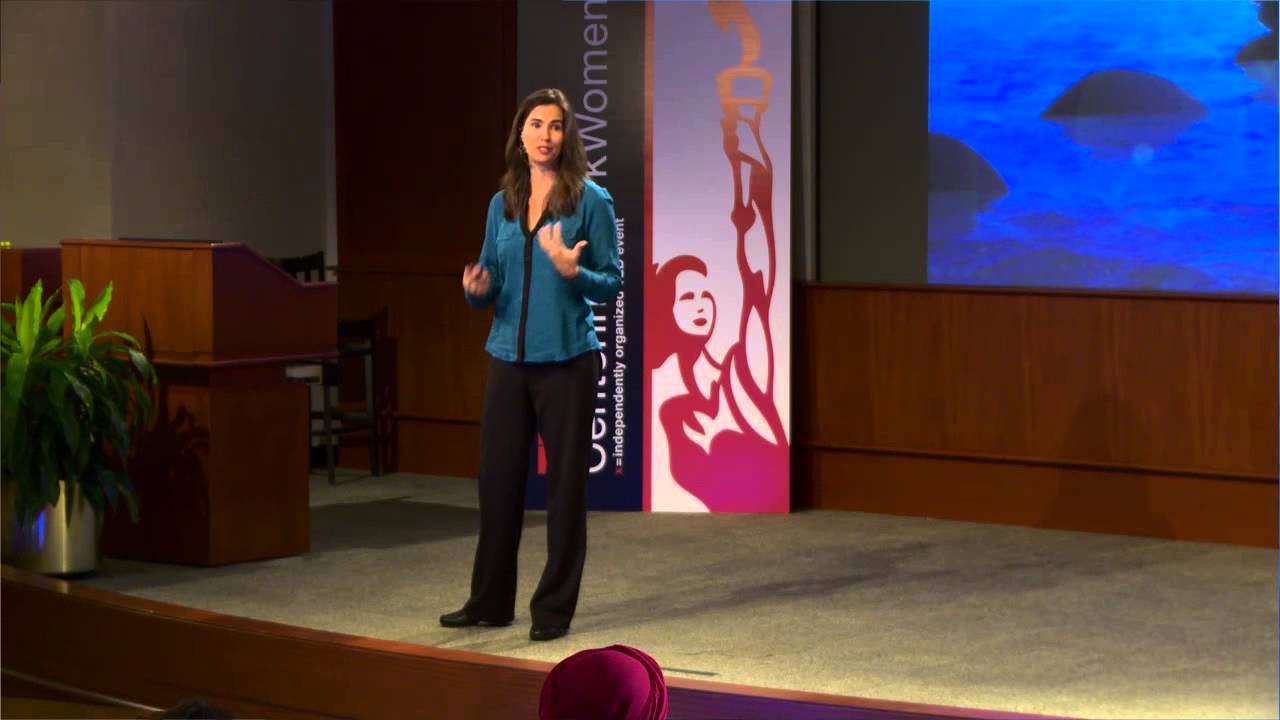
The Space Between Self-Esteem and Self-Compassion
Kristin Neff, PhD
Self-compassion is not self-indulgence. It is the keystone that lets caring be sustained.