Watch and learn
A curated collection of the most consequential talks on compassion in healthcare. Each video is annotated for its bearing on understanding compassion, cultivating it, and building cultures that sustain it.
Featured Talks
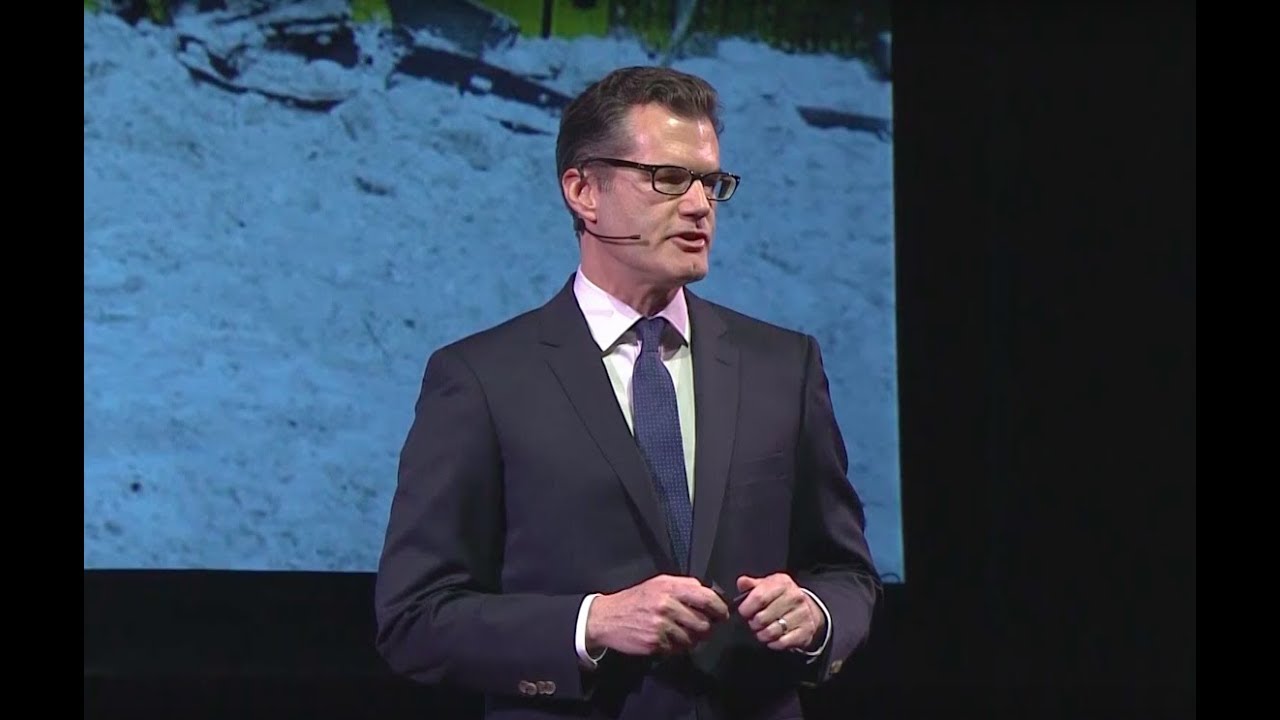
How 40 Seconds of Compassion Could Save a Life
Stephen Trzeciak, MD, MPH
Chair of Medicine, Cooper University Health Care; co-author of Compassionomics | TEDxPenn, 2018
Trzeciak walks through the evidence base he and Mazzarelli compiled for Compassionomics, including the original Fogarty oncology study showing that a forty-second compassionate addendum measurably reduced anxiety in women being told a cancer diagnosis. The talk is the public anchor of the compassionomics field and the most-cited single talk in the patient-effects literature. It dismantles the most common objection to compassion: that there is no time for it.
Why this matters: The forty-second number is the most powerful piece of evidence on the For Patients page, and Trzeciak tells it better than any written summary.
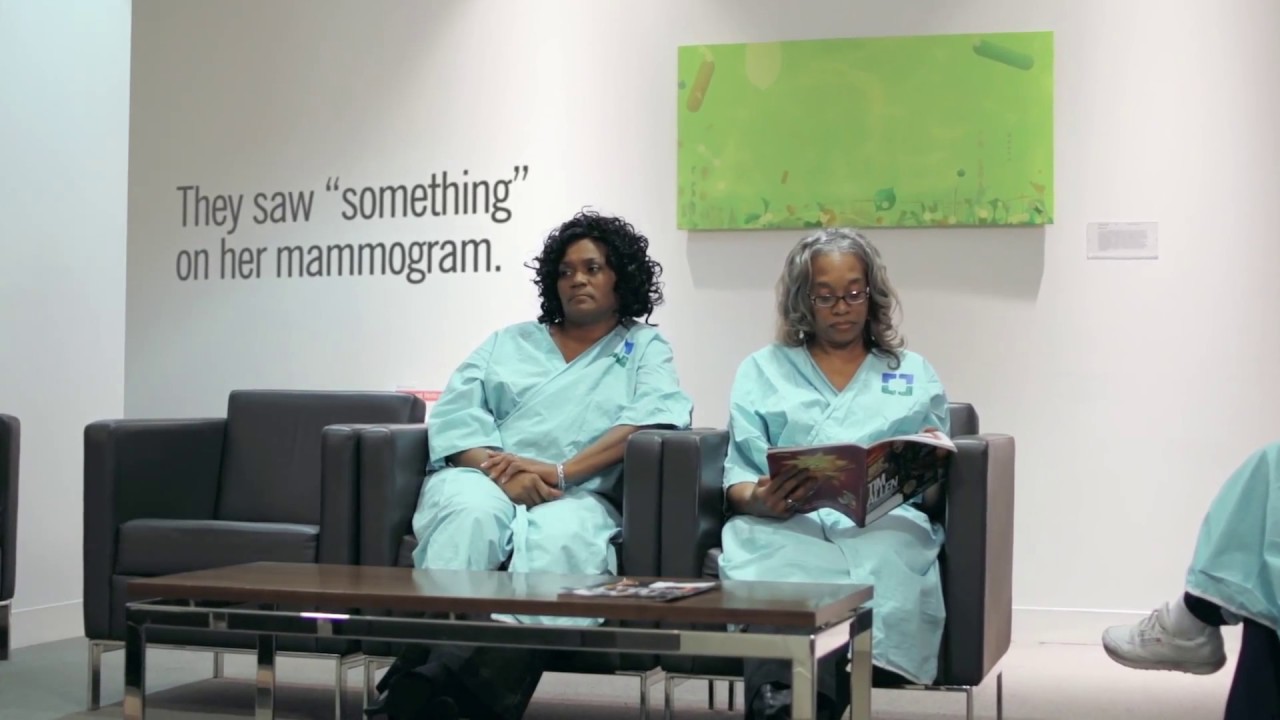
Empathy: The Human Connection to Patient Care
Cleveland Clinic
Office of Patient Experience | Cleveland Clinic, 2013
A four-minute, near-wordless film that follows people through a hospital with brief on-screen captions revealing what each person is carrying inside (a new diagnosis, a recent loss, a fear they have not named). It has been viewed more than eight million times on YouTube and is shown at every Cleveland Clinic new-caregiver orientation. The video makes the case for compassion without ever using the word.
Why this matters: Patients and families recognize themselves in this film. Clinicians and staff recognize the people they pass in the hallway.
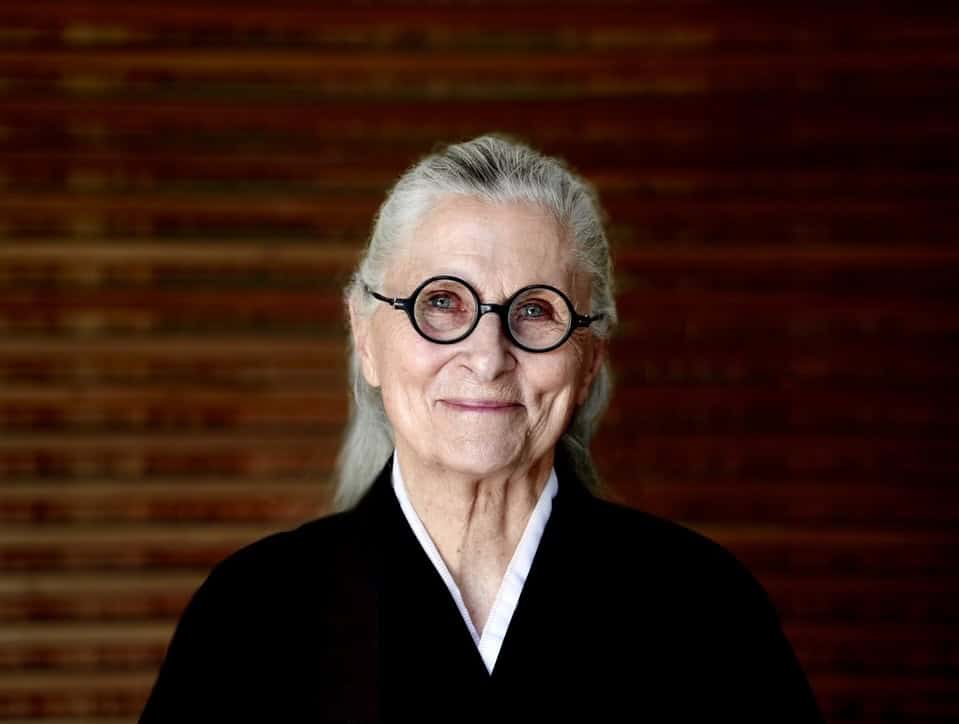
Edge States as Opportunities for Courage and Compassion
Roshi Joan Halifax
Founder, Upaya Zen Center; author of Standing at the Edge | Garrison Institute, 2019
Halifax presents the five edge states that mark the territory of caring work (altruism, empathy, integrity, respect, engagement) and the corresponding falls (pathological altruism, empathic distress, moral suffering, disrespect, burnout). Her framework gives clinicians a vocabulary for what is happening to them before it becomes a crisis. This is the talk that most directly maps onto the site's seven-pathway ODS framework.
Why this matters: Halifax names the slope between sustainable caring and the cluster of conditions the site describes as Occupational Distress Syndrome.
25
Videos
10
Categories
Foundations: Empathy and Compassion Are Different
The neuroscience and the framing that the rest of the site rests on.
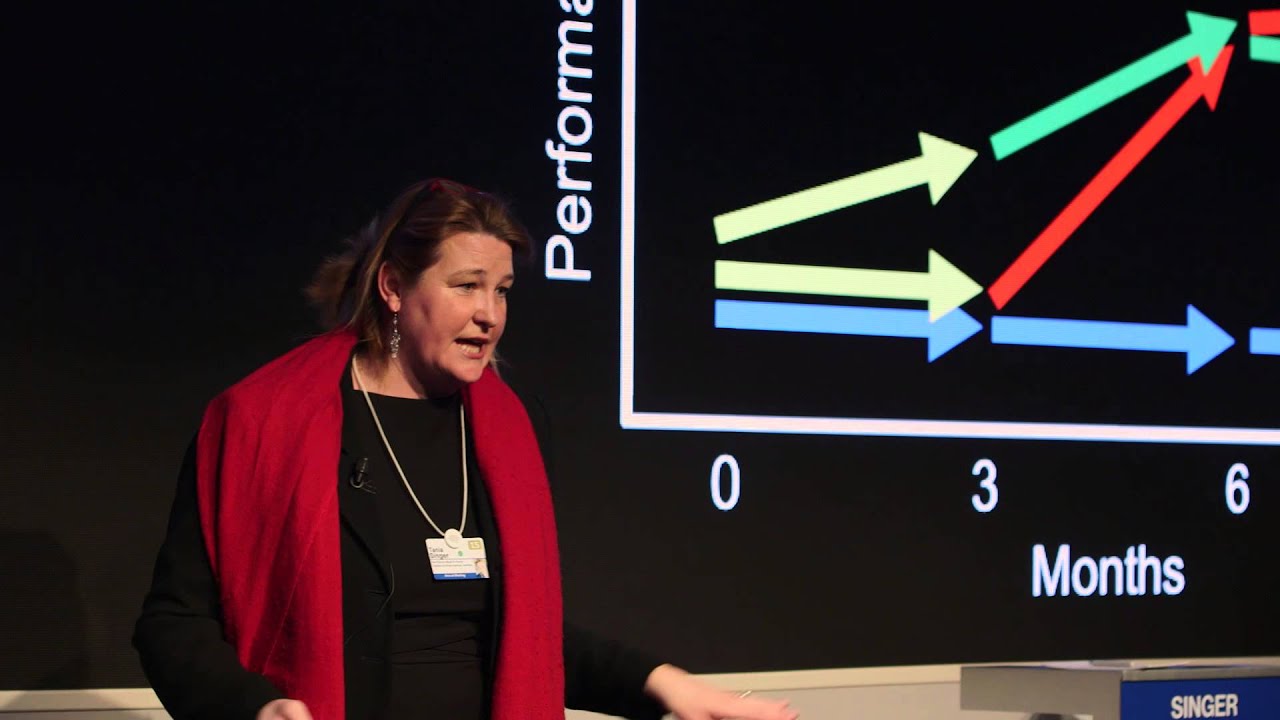
The Neuroscience of Compassion
Tania Singer, PhD
Empathy and compassion are different brain states, and one depletes while the other sustains.

Compassion and the True Meaning of Empathy
Roshi Joan Halifax
Compassion is the capacity to see suffering clearly and stay strong inside it.

Brené Brown on Empathy
Brené Brown, PhD
Empathy fuels connection. Sympathy drives disconnection. Look closely at Brown's description, and what she calls empathy turns out to be a hybrid construct that maps onto several distinct components in the contemporary cognitive science literature: cognitive empathy (Wiseman's perspective taking and recognizing emotion in others), a regulatory stance (staying out of judgment), affective resonance (feeling with people), and compassionate intention (the choice to climb down into the hole, the refusal of the silver lining, the intention to lessen suffering and the willingness to say 'I don't even know what to say. I'm just so glad you told me').
What Compassion Does for Patients
The measurable clinical effects of compassion in care delivery.
How 40 Seconds of Compassion Could Save a Life
Stephen Trzeciak, MD, MPH
Forty seconds of compassion measurably reduces patient anxiety and changes outcomes.
Empathy: The Human Connection to Patient Care
Cleveland Clinic
Every person in a hospital is carrying something the staff cannot see.

Compassionomics (Grand Rounds)
Stephen Trzeciak, MD, MPH
Compassion is a measurable clinical variable with reproducible effects on patient outcomes, provider wellbeing, and cost of care.
Sustainable Caring for Clinicians
How to keep caring across a career without depletion.
Edge States as Opportunities for Courage and Compassion
Roshi Joan Halifax
The states that make caring possible are the same states that, if they tip, make caring impossible.
Beyond Burnout: Moral Injury in Medicine
Wendy Dean, MD
What is being called burnout is often moral injury, and the difference matters for what we do about it.
The Space Between Self-Esteem and Self-Compassion
Kristin Neff, PhD
Self-compassion is not self-indulgence. It is the keystone that lets caring be sustained.
Leadership and Compassionate Culture
What organizations have to do, not what they have to say.
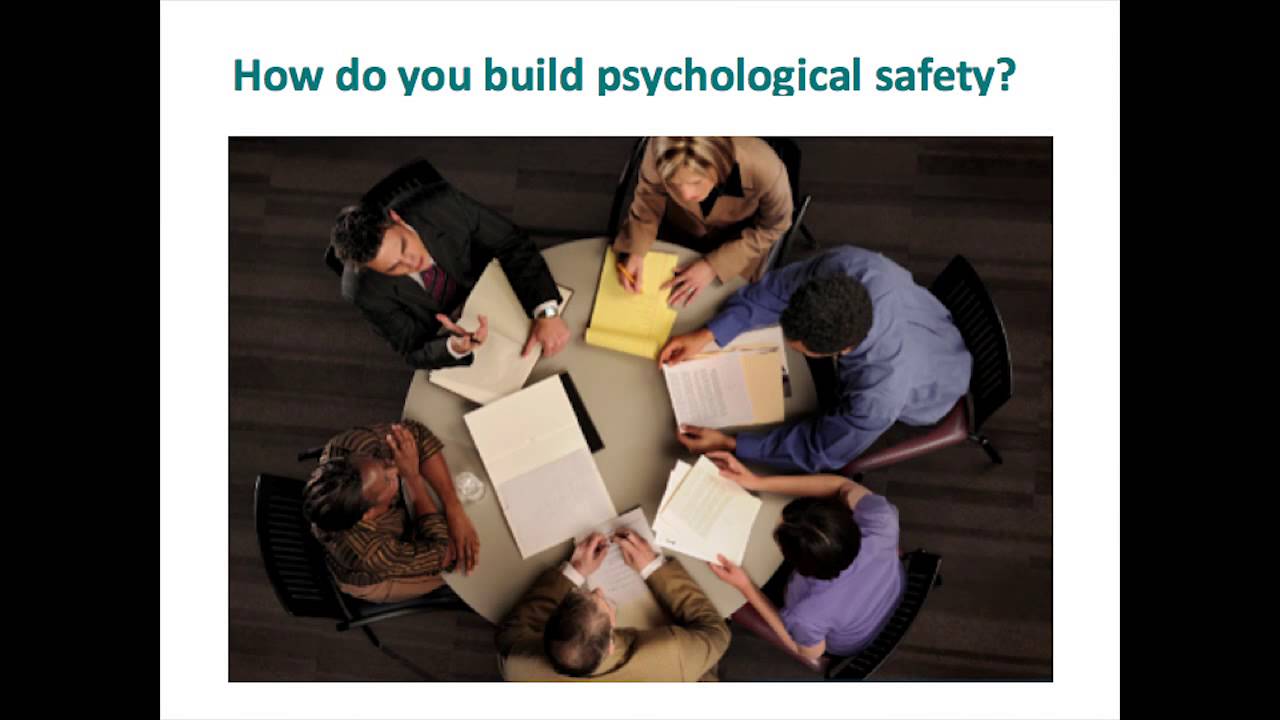
Building a Psychologically Safe Workplace
Amy Edmondson, PhD
Teams that catch errors and learn faster are not the teams with fewer mistakes. They are the teams safe enough to talk about the ones they have.

A Space for Empathy
Cleveland Clinic
A century of patient-centered work shows that the building, the workflow, and the culture either make space for empathy or take it away.
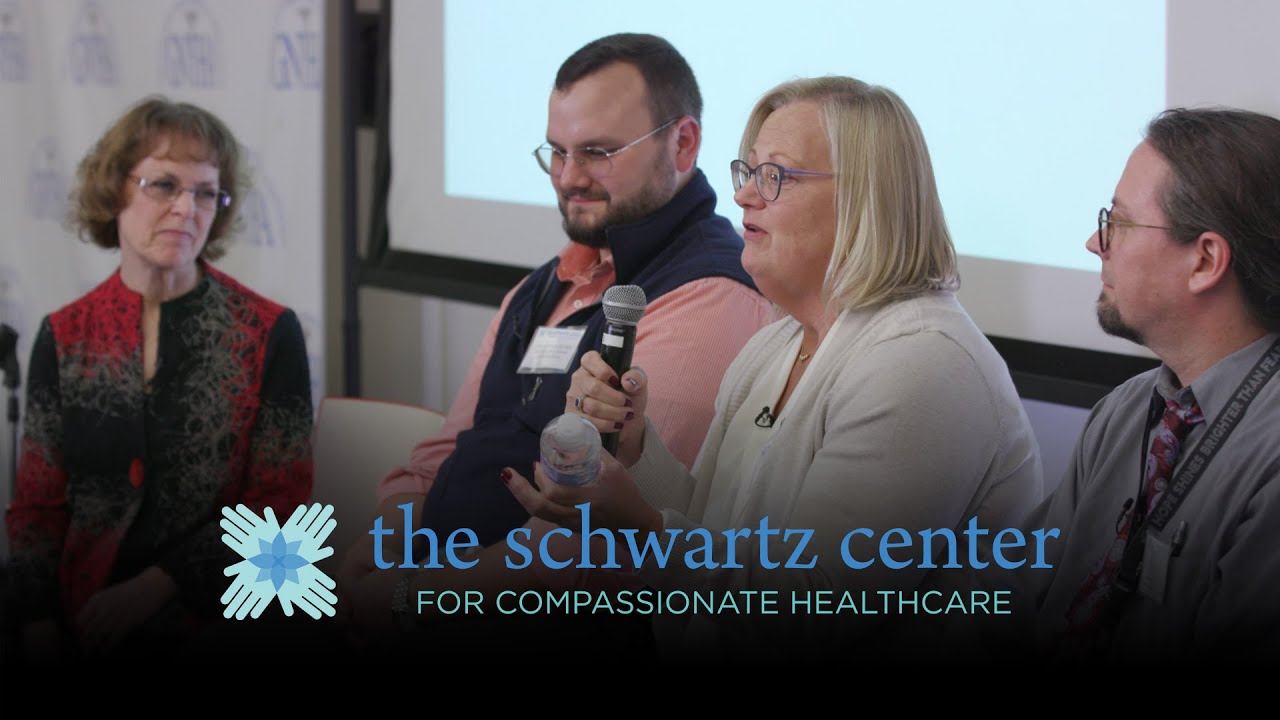
Caring for the Caregiver: The Schwartz Rounds Program
The Schwartz Center for Compassionate Healthcare
Schwartz Rounds give clinicians a regular, facilitated, interdisciplinary space to talk about the human side of caring. They scale.
Compassionate Leadership
How leaders notice, interpret, regulate, and act with compassion.
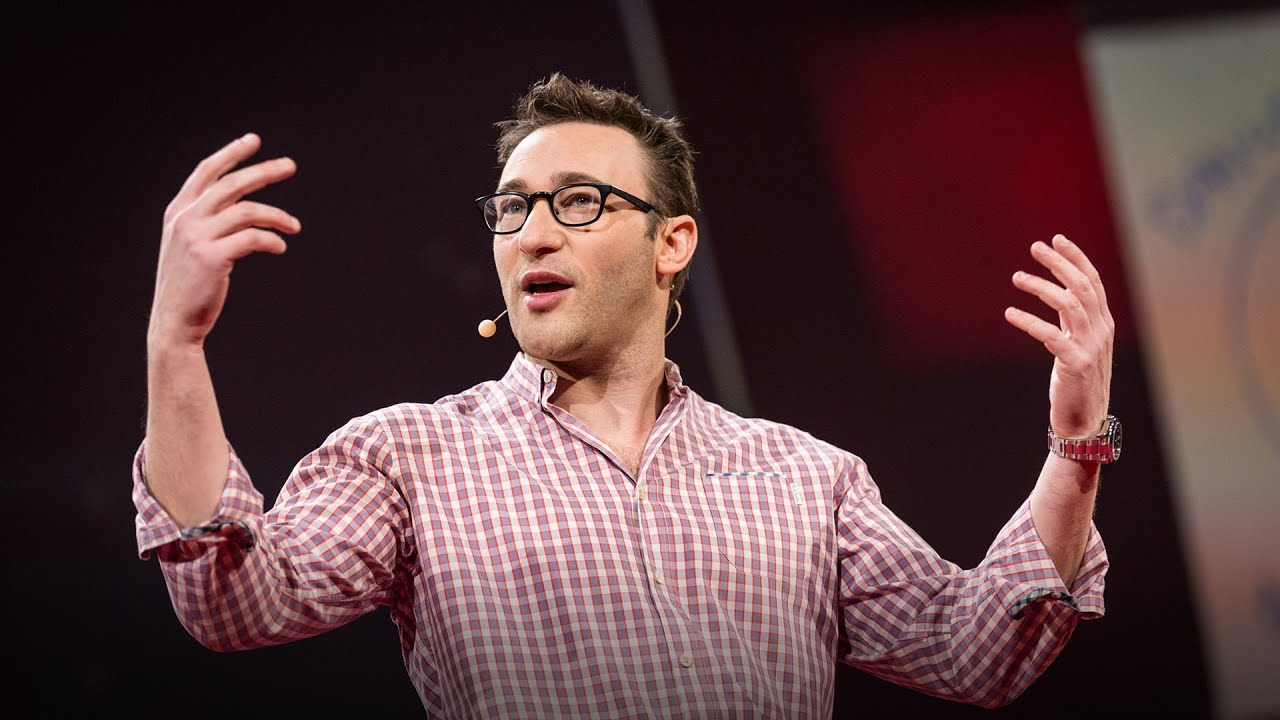
Why Good Leaders Make You Feel Safe
Simon Sinek
Great leaders create a circle of safety. When people feel protected by leadership, the natural response is trust and cooperation.
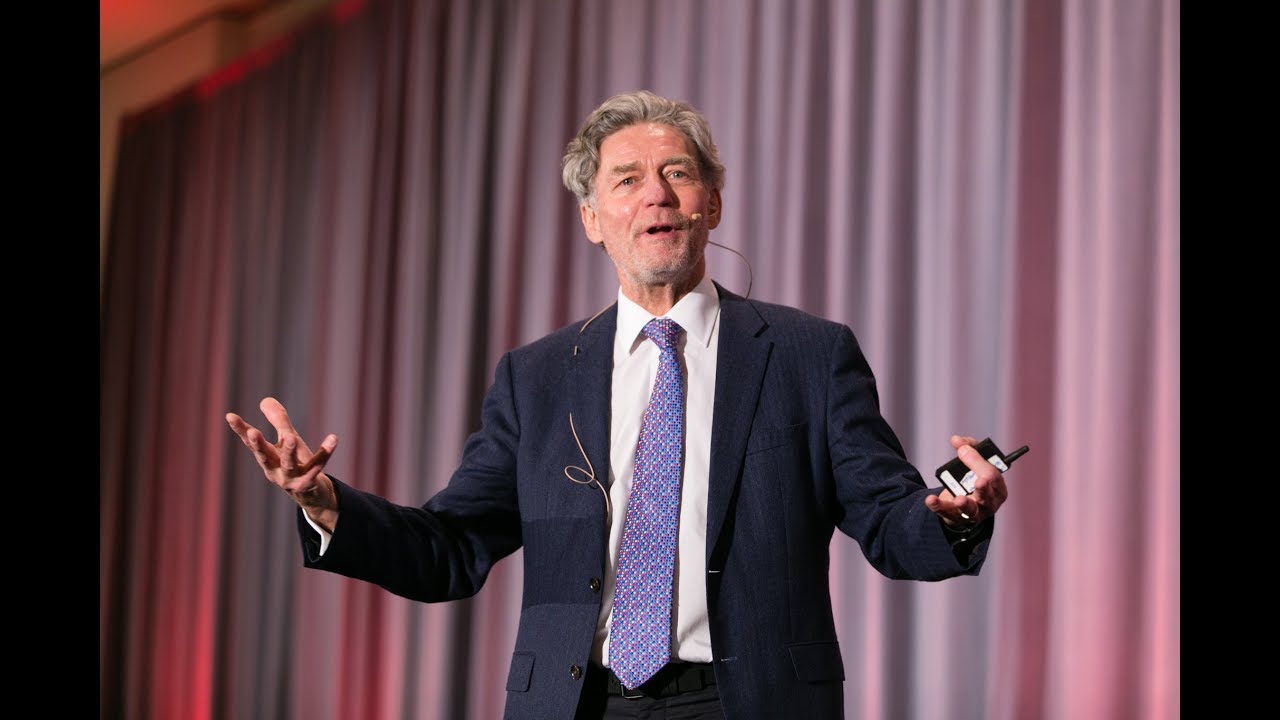
Compassionate & Collective Leadership for High Quality Health Care
Michael West, PhD
Compassionate leadership in healthcare is the trained capacity to attend, understand, empathize, and help. It is learnable, structural, and directly tied to patient outcomes.
End of Life, Loved Ones, and Advocacy
Compassion across the most consequential moments of care.
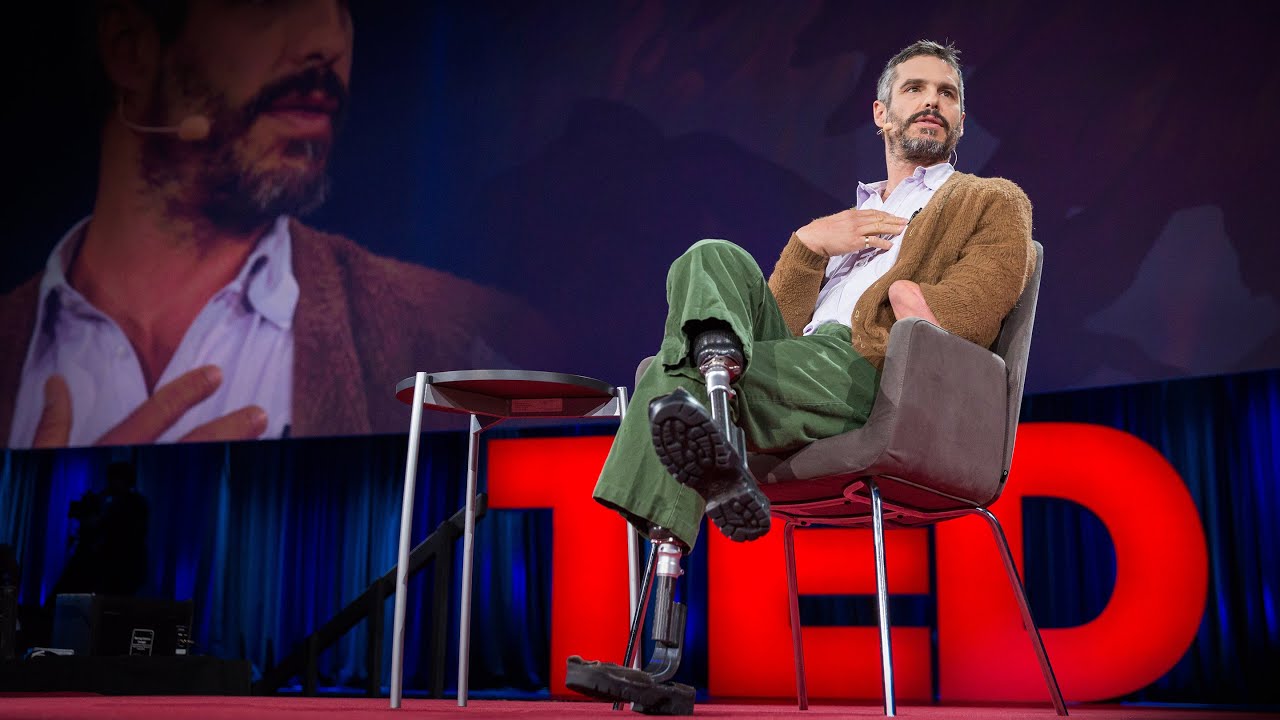
What Really Matters at the End of Life
BJ Miller, MD
Most of what scares people about dying is not death itself. It is suffering that did not need to happen.
Cultivating Compassion: Training and Education
Compassion is trainable. These talks show what training looks like.
A Fearless Heart
Thupten Jinpa, PhD
Compassion is not a sentimental disposition. It is a trainable capacity, and training changes outcomes.
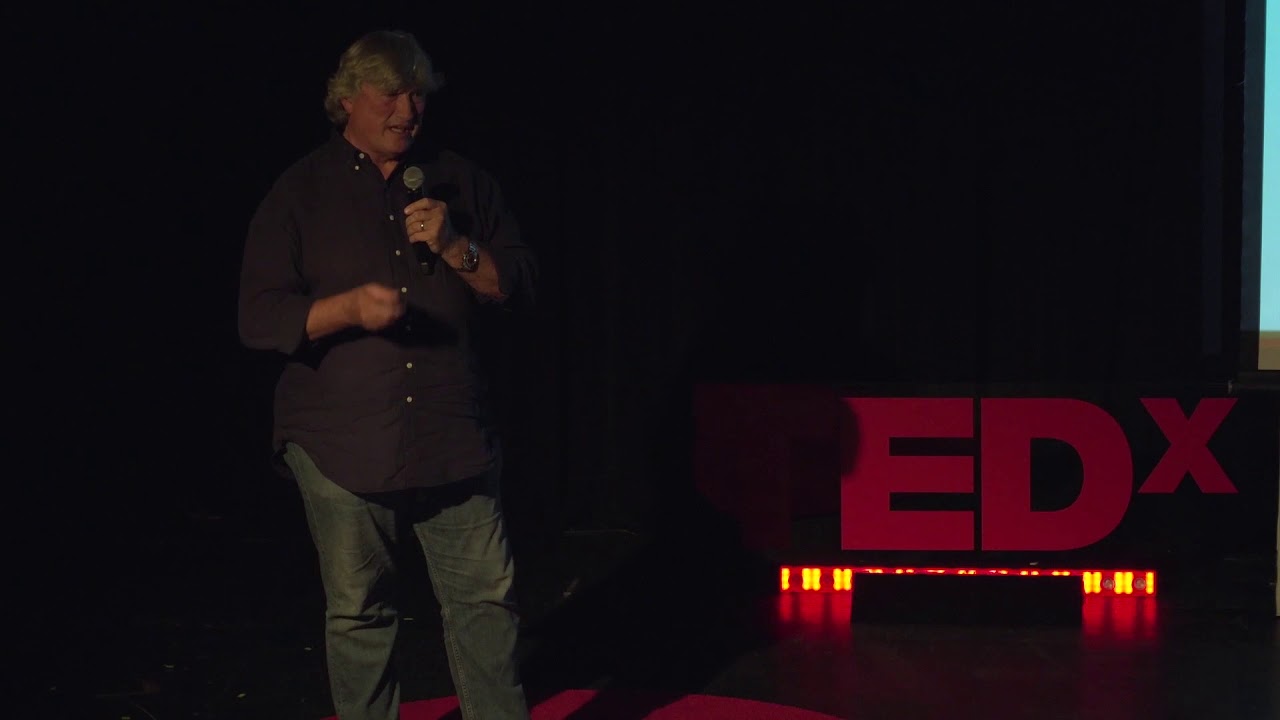
How Compassion Can Save the World
James Doty, MD
A compassionate orientation is biologically rewarding to the giver, not just to the receiver.
Guided Practice: Loving-Kindness Meditation
Short guided sessions you can use today.

4-Week Program
Loving-Kindness Meditation Practice
Guided meditations for cultivating compassion, from those you love to those who challenge you.
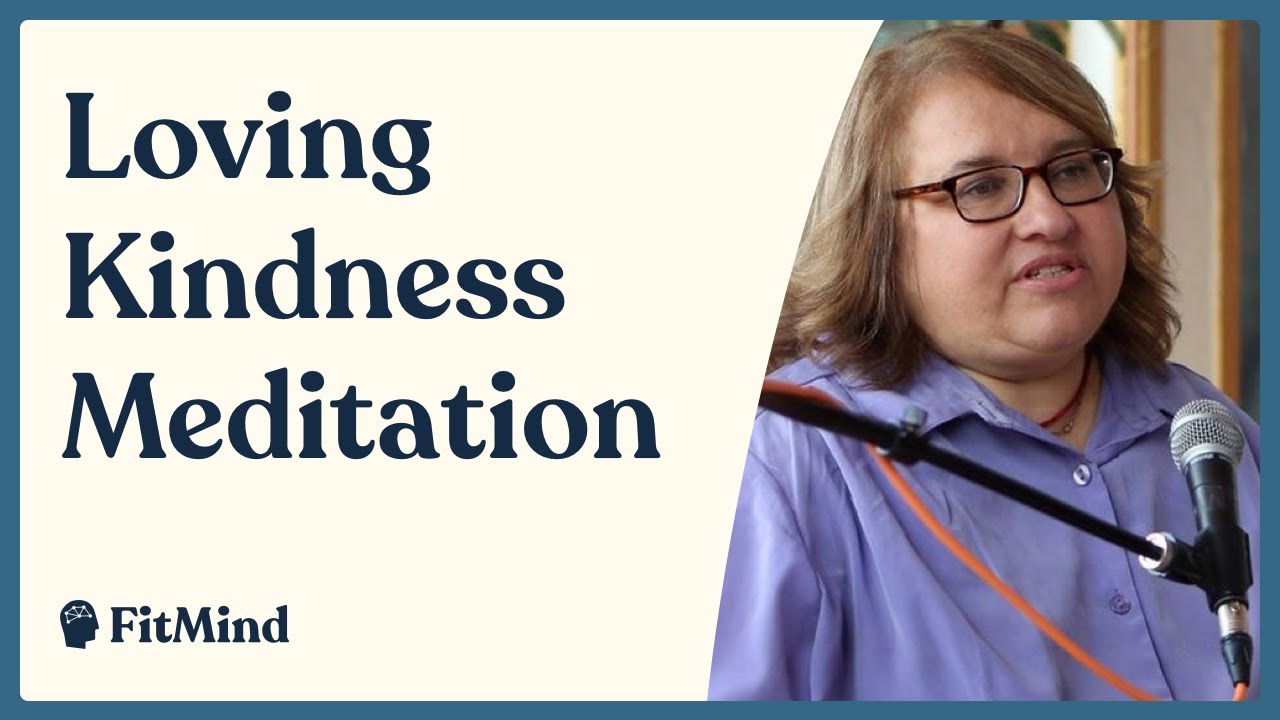
Guided Metta Meditation (5 Minutes)
Sharon Salzberg
Five minutes is enough to start a practice that reshapes the rest of the day.
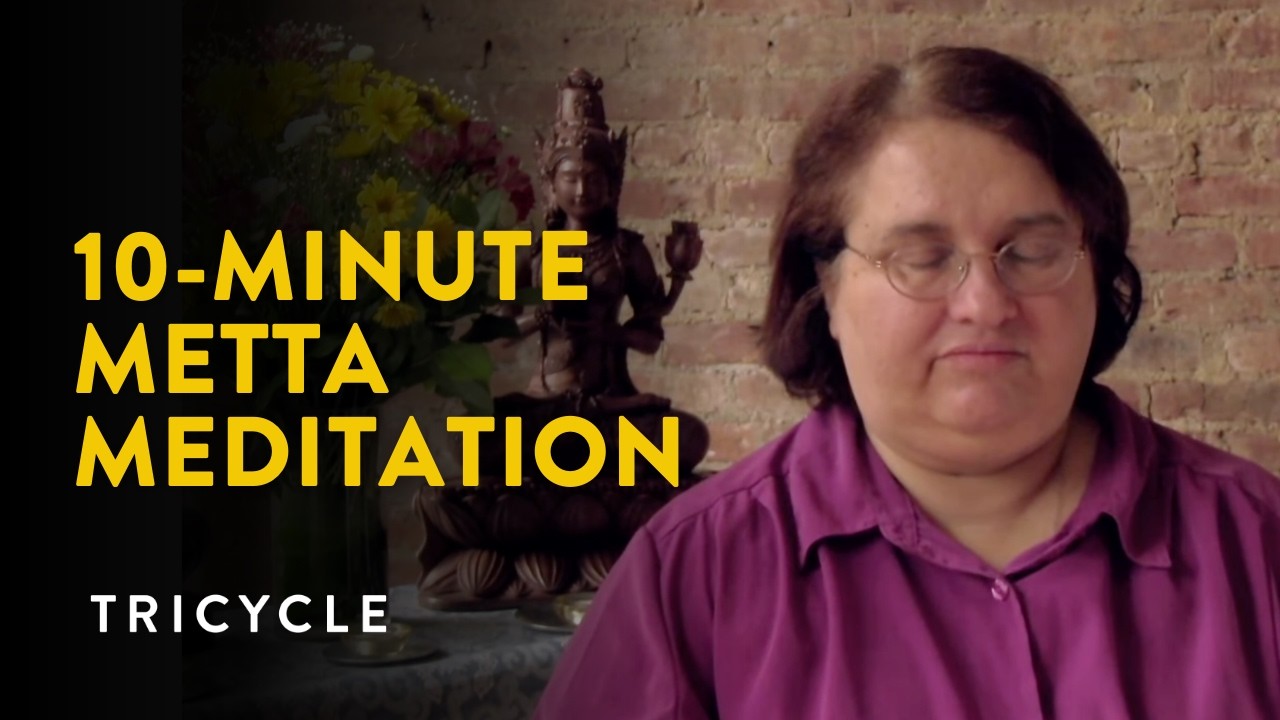
10-Minute Loving-Kindness Meditation
Sharon Salzberg
A standard ten-minute LKM session, suitable for daily practice and aligned with the dose used in foundational research.
Technology and Compassion
AI, automation, and the structural compassion line.
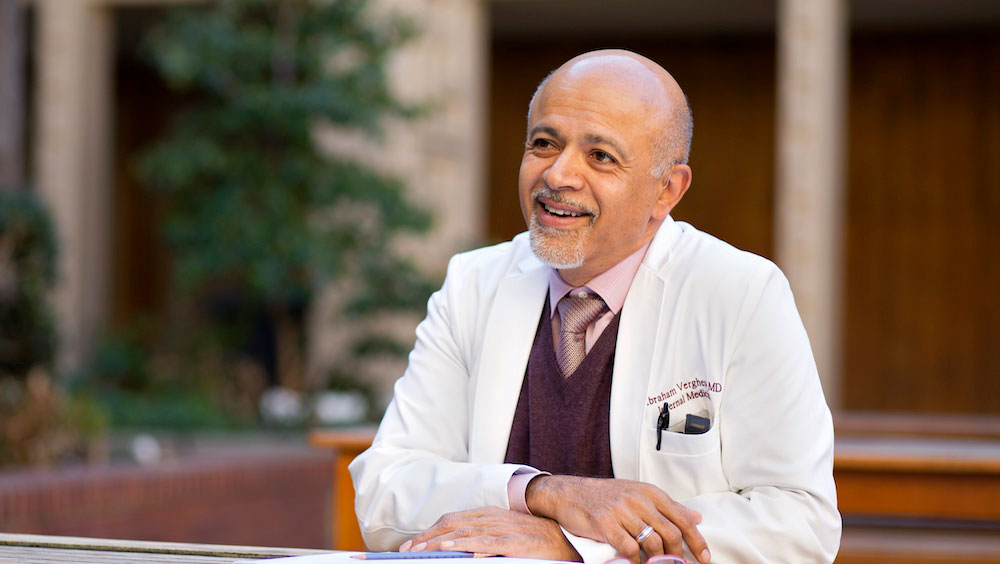
A Doctor's Touch
Abraham Verghese, MD
The most important innovation in medicine is the power of the human hand to touch, comfort, diagnose, and heal, and the rise of the "iPatient" in the computer is quietly displacing the real patient at the bedside.
Can AI Catch What Doctors Miss?
Eric Topol, MD
AI, used well, can return time to clinicians, which is what makes presence and connection possible.
Artificial Intelligence in Healthcare: The Need for Ethics
Varoon Mathur
Algorithms trained on biased data reinforce systemic inequities in care, and accountability cannot be delegated to the model.
How COVID-19 Transformed the Future of Medicine
Daniel Kraft, MD
The technological and the human must be braided together rather than treated as substitutes.
How The Human Connection Improves Healthcare
Anthony Orsini, DO
Medicine is more than combating and preventing illness; meaningful physician-to-patient rapport improves the patient experience and promotes continual growth in the medical field.
AI and the Human Side of Healthcare
Trevor Tessier
AI should serve not as a replacement for care but as a support at the bedside to the people who are providing it.
Go deeper with the reading list
These talks pair with a curated shelf of the most consequential books on compassion in healthcare. Start with the essentials and build from there.