Compassionate Self-Advocacy
Eliciting compassion is not the patient's job. It has never been the patient's job. But while the system is being improved, individual patients have to live inside the gap between what should be and what is. This page offers field guidance for an imperfect system.
A Patient Story
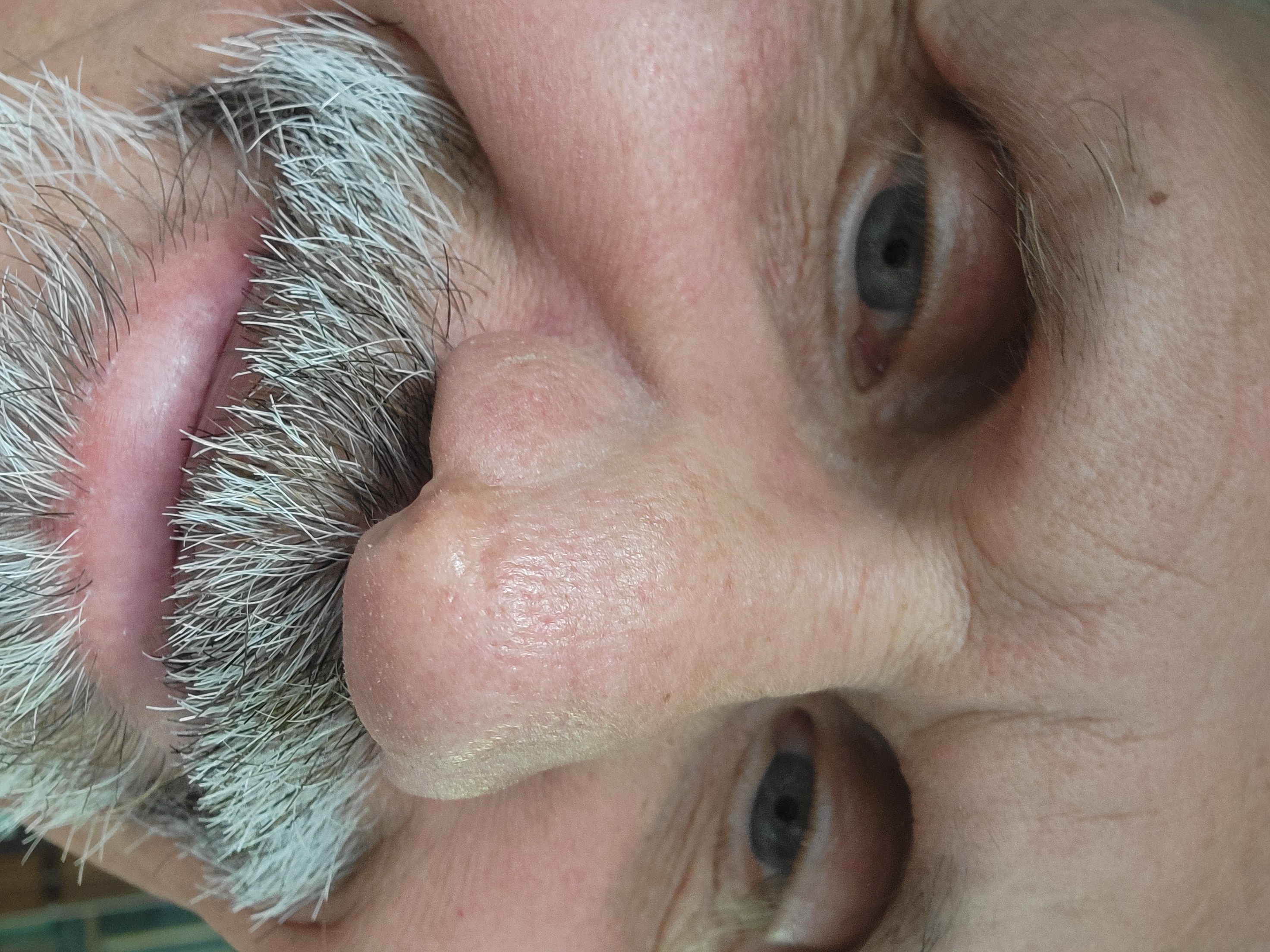
Russ L'HommeDieu, DPT
From the perspective of the patient
I remember being in the ICU. The NG tube was just one of the tubes keeping me alive, but there was a problem.
It was taped too tightly to my nose and I knew it.
I knew it because it was painful as hell—not just an irritation—but painful. If you are in the ICU and any particular pain makes your top three list of painful things, it's a serious problem.
I told the nurse. She scoffed. “Yeah, NG tubes suck.”
Yeah, that may be true, but this one is too tight.
...nothing.
That's sympathy, not compassion.
The next nurse...and the next—basically the same answer.
For days and days. One nurse even yelled at me. “Look, when we put that tube in, you were unconscious. If I have to pull it out now, I am reinserting it with you awake. Trust me, you don't want that.”
Trust me, I do. I do want that.
After almost two weeks, I come under the care of a very compassionate nurse.
She listened and looked and gasped in horror.
The necrosis (tissue death) under the tube and layers of tape had eroded the entire right side of my nose.
Gone. Nothing but a massive wound.
Painful and unnecessary.
Scars and a “nasal notch” that I carry to this day.
While eliciting compassion from your ICU nurse (or any healthcare provider) is NEVER the patient's job, I wonder how I could have been more effective at bringing out compassion in the endless parade of nurses that preceded the one that listened?
While I realize by the way this nurse treated me, that compassion was her baseline operating system, I also know those other nurses had compassion as well. They may have even had compassion for me, they simply were not applying that compassion in a way that I needed at that moment.
“My humanity is bound up in yours, for we can only be human together.”
How Can Compassion Cultivation Help Patients?
Compassion cultivation is not just for clinicians. Patients who cultivate compassion, including self-compassion, experience measurable benefits during illness and recovery.
Reduced Suffering
Self-compassion reduces the secondary suffering that comes from self-criticism and shame. When you treat yourself with the same kindness you would offer a friend, the emotional weight of illness becomes more bearable.
Better Communication
Holding compassion for your caregivers, even when they fall short, allows you to communicate more effectively. The patient who can see that a nurse is depleted, not malicious, can frame requests in ways that are easier to receive.
Physiological Benefits
Compassion practices activate the parasympathetic nervous system, reducing cortisol and promoting vagal tone. This is not merely calming. It supports immune function, reduces inflammation, and may accelerate healing.
Cultivating Compassion Quickly: Loving-Kindness Meditation
Loving-kindness meditation (LKM) is the most accessible and well-researched method for cultivating compassion. Even brief practice produces measurable effects on mood, stress physiology, and social connection.
A Simple Practice for the Hospital Bed
Close your eyes if comfortable. Take three slow breaths.
Bring to mind someone who cares about you. Picture their face. Feel their warmth.
Silently repeat:
May I be safe.
May I be healthy.
May I be at ease.
May I be free from suffering.
When difficult emotions arise—fear, frustration, anger at your situation—offer yourself the same kindness you would offer a friend:
This is a moment of suffering.
Suffering is part of being human.
May I be kind to myself in this moment.
Then extend these wishes to your caregivers:
May you be safe.
May you be healthy.
May you be at ease.
May you be free from suffering.
This practice takes two minutes. It can be done silently, in any position, at any time.
What Does Compassionate Self-Advocacy Look Like?
These communication tools are drawn from the patient activation, safety, and clinical communication literatures. They will not work on every clinician. They will, on average, raise the probability that what you are experiencing gets translated into action.
Specificity Beats Emphasis
When you say "this hurts a lot," a nurse hears a category. When you say "the pressure on the right side of my nose where the tape is, that pressure has been at a 7 out of 10 for three hours, and the area feels different than it did this morning," a nurse hears a clinical signal.
Include location, quality, severity (0-10), time course, and what changes it.
The "I Need" Statement
A patient who says "this hurts" is voicing an experience. A patient who says "I need you to look at this" is making a request. Requests create action targets.
Use: "I need you to [specific action], because [specific reason]."
The Graceful Interrupt
When a clinician is mid-task or mid-thought, a graceful interrupt signals that your concern needs focused attention before the conversation moves on.
Try: "Before you go, there is one thing I need to flag. It will take 30 seconds."
Naming the Pattern
When a concern has been raised multiple times without action, naming the pattern is fair, useful, and not the same as accusing anyone.
Try: "This is the third time I have raised this. I am not blaming anyone. I just want to make sure the message is getting through."
Repetition With Grace
A patient concern raised once may be filed away. A concern raised three times, calmly and consistently, becomes harder to dismiss. Grace matters because escalation in tone usually backfires.
The same words, said calmly the third time, accumulate weight.
The Escalation Pathway
Every hospital has a chain of command: bedside nurse, charge nurse, nurse manager or house supervisor, patient advocate, attending physician, ethics consult, risk management.
Ask: "I would like to escalate this to the charge nurse" or "Is there a way for me to call a rapid response?"
Holding Compassion for the Caregiver
I see that you are struggling, and I still need this thing attended to.
There is a temptation, when you have been dismissed by three nurses in a row, to conclude that those three nurses lack compassion. The neuroscience suggests a different explanation.
A nurse who has spent twelve hours absorbing patient suffering empathically, without the training or structural support to convert that empathy into sustainable compassion, is in a state of depletion that looks, from outside, exactly like callousness. The dismissive response, the scoff, the irritable redirect, are recognizable signs of a nervous system in defensive withdrawal.
This is why the distinction between empathy and compassion matters at the bedside. The nurse who scoffed may well have been a person of considerable goodwill who was, at that moment, in empathic distress withdrawal.
Recognizing this does not excuse the failure to act. It does explain why the failure happened, and it changes what kind of communication is most likely to land.
Three implications:
- You are facing a state, not a personality. A request that asks the depleted nurse to do something specific is easier to respond to than a complaint that asks them to feel something.
- You do not have to take the dismissal personally.“She is in distress withdrawal” is a less wounding internal narrative than “she does not care about me.”
- You are not responsible for repairing the caregiver's state. That work belongs to the institution, the profession, and the broader compassion movement.
A Language Library
Phrases you can use in real time at the bedside. Print them, write them on a card, give them to a family member. They are not magic. They are tested.
When a Concern Is Being Dismissed
- “I hear you that this is common. What I am describing is more specific than that. Can you look at it before you go?”
- “I want to make sure I am being clear. The specific concern is [X]. The specific request is that you [Y].”
- “I have raised this with two other nurses. The concern has not changed. I want to flag that for you.”
When You Need to Slow Down a Procedure
- “Before we do that, I have a question I need answered.”
- “I am consenting only after I understand what you are about to do and what the alternatives are.”
- “I would like to wait until my advocate is here before that happens.”
When You Need to Escalate
- “I would like to speak with the charge nurse about this.”
- “I would like to speak with patient relations.”
- “I am asking about the rapid response system. How do I activate it as a patient or family member?”
When You Want to Hold Compassion While Holding Your Ground
- “I can see that this shift has been hard. I still need this attended to.”
- “I am not blaming you. I am asking for help.”
- “Thank you for what you have done so far. There is something else I need.”
The Advocate at the Bedside
The single most consistent finding in the patient self-advocacy literature is that patients with an advocate at the bedside, a family member, a friend, a hired patient advocate, get heard more reliably than patients without one.
This is not because the advocate is more articulate. It is because the advocate is not exhausted, not in pain, not under sedation, and not in the position of being the one whose pain is being evaluated.
When an advocate is present, role-splitting helps. The patient describes the experience. The advocate makes the requests, asks the follow-up questions, and notes the responses.
When no advocate is available, written notes serve a similar function. A small notebook on the bedside table, with dates, times, what was said, and to whom, changes the quality of subsequent encounters in ways that are difficult to overstate.
The Science of Compassionate Care
Compassion produces measurable benefits for patients: reduced anxiety, lower pain perception, faster recovery, and better clinical outcomes. Learn more about the evidence.
Explore Patient BenefitsThe truth, stated last as it was stated first: eliciting compassion from your nurse is never your job. The work of this page is to protect you while we close the gap.
Care differently, not less.
Further Reading
What the research says about compassionate care and patient outcomes.
What Compassion Does to a Patient You Will Never Meet
Compassion is not adjunctive to clinical care. It changes hemoglobin A1c, immune function, and mortality in patients you will never meet.
The Front Desk Is the First Dose of Medicine
Why Ferrazzi was right, and why healthcare is trading compassion for convenience.
The Forty Seconds That Change Everything
Four behaviors. Forty seconds. The research on compassionate presence suggests that the dose required is smaller than most clinicians assume, and the effect is larger.
The Forty-Second Intervention
What happened when I tried an evidence-based compassion practice with every patient for a month.
Watch and Learn
Short talks on what compassionate care looks like and why it matters.
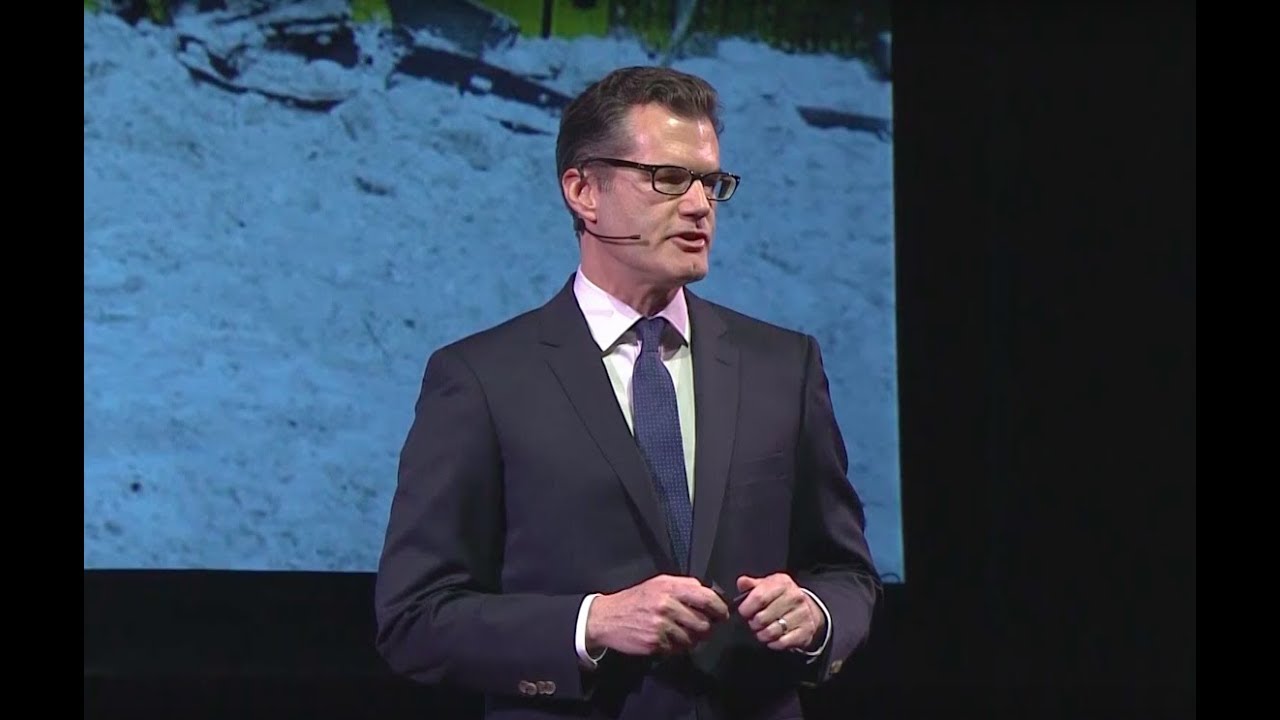
How 40 Seconds of Compassion Could Save a Life
Stephen Trzeciak, MD, MPH
Forty seconds of compassion measurably reduces patient anxiety and changes outcomes.
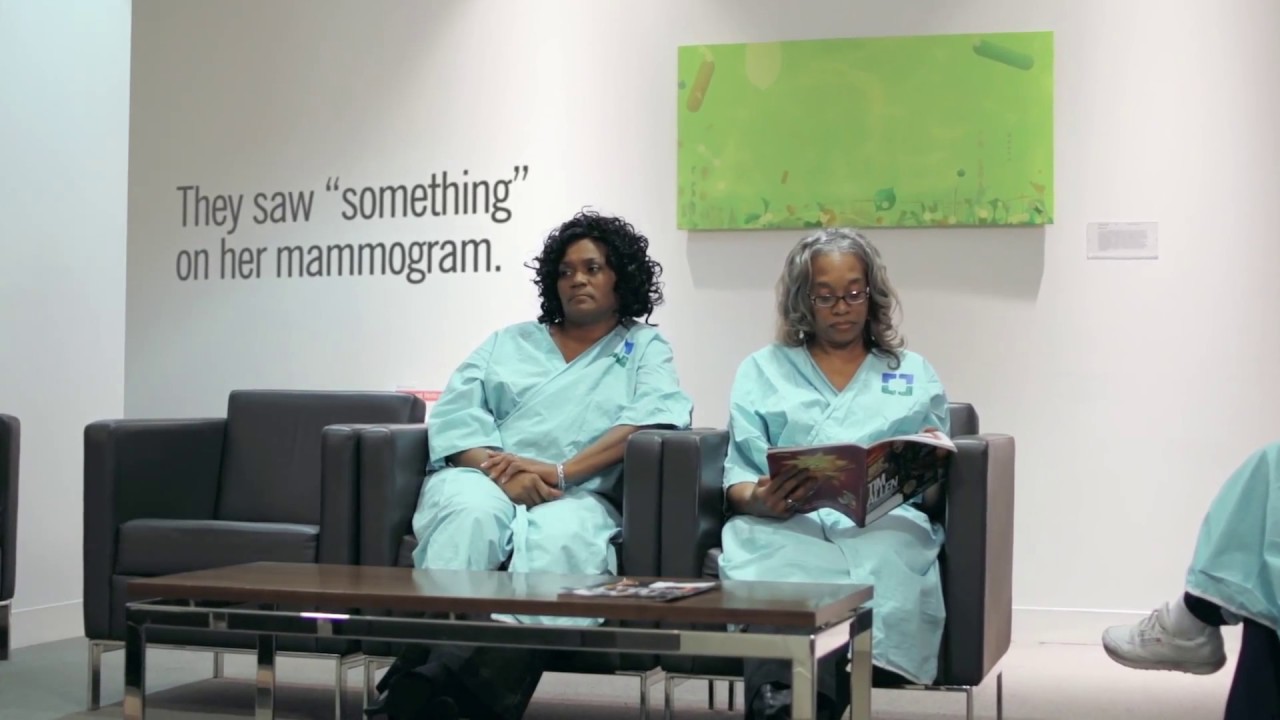
Empathy: The Human Connection to Patient Care
Cleveland Clinic
Every person in a hospital is carrying something the staff cannot see.
For Families and Care Partners
Family members and care partners are stakeholders too. Everything on this page applies to you as well. You carry the emotional weight of advocacy. Your experience matters.